
If you have ever dreamed of traveling the world like a local or earning extra income from your own vacation home in Florida, you have likely heard of Airbnb. It has completely transformed the way we think about travel, hospitality, and real estate investment over the last two decades. Whether you are a traveler looking for a unique stay or a property owner curious about the rental market, understanding how this platform functions is the first step toward success.
At its core, Airbnb is a global online marketplace that connects guests looking for accommodations with hosts who have space to rent. It serves as a bridge between travelers needing a home away from home and homeowners looking to monetize their properties. While it started with simple air mattresses on a floor, it now encompasses everything from studio apartments to luxury villas and even treehouses.
This comprehensive guide is designed for everyone: travelers, homeowners, professional investors, and property managers alike. We will explore the inner workings of the platform, the costs involved, and the safety measures that protect both sides. We will also dive into how professional property management services like the ones offered by Stay Today, Inc. can help property owners turn their listings into high-performing, hands-off investments.
What Is Airbnb?
Airbnb definition (in plain English)
In the simplest terms, Airbnb is a website and mobile app where people list their extra space for others to book. It operates within the “sharing economy”, which is a model based on people sharing assets or services, usually via the internet. Think of it like Uber, but for houses instead of cars; it allows regular individuals to act as hospitality providers.

The platform provides the digital infrastructure needed to make these transactions possible. It handles the search functionality, the secure payment processing, and the communication tools between the two parties. Without Airbnb, finding a private apartment in a foreign city or renting out your vacation home would require significantly more marketing and logistical effort.
What does Airbnb stand for?
The name “Airbnb” is actually an abbreviation for “Air Bed and Breakfast”. This name harkens back to the very beginning of the company when the founders didn’t have any actual guest rooms. They simply provided air mattresses on their living room floor and served breakfast to their first few guests.
While the “air bed” part of the name is now mostly a piece of tech history, the “breakfast” spirit remains in the hospitality focus of the platform. Today’s listings are much more sophisticated than a blow-up mattress, but the name stuck as the brand grew into a household word. It represents the shift from cold, clinical hotel rooms to the warmth and personality of a real home.
Quick history and growth
Airbnb was founded in late 2007 by Brian Chesky, Joe Gebbia, and Nathan Blecharczyk in San Francisco. The idea was born out of a need to pay rent during a high-demand design conference when all local hotels were fully booked. They realized that people were willing to pay for a more authentic, localized experience even if it wasn’t a traditional hotel.
Since that first air mattress, the company has seen meteoric growth. By 2026, Airbnb has millions of active listings spanning almost every country on Earth. It has expanded from simple rooms to “Experiences”, allowing locals to lead tours and activities, making it a one-stop shop for travel planning.
How Airbnb Works (Simple Overview)
Airbnb in 60 seconds (step-by-step)
Understanding the basic flow of an Airbnb transaction is quite simple once you see the steps laid out. First, a guest enters their destination, travel dates, and the number of people in the search bar. The platform then presents a list of available properties that meet those specific criteria.
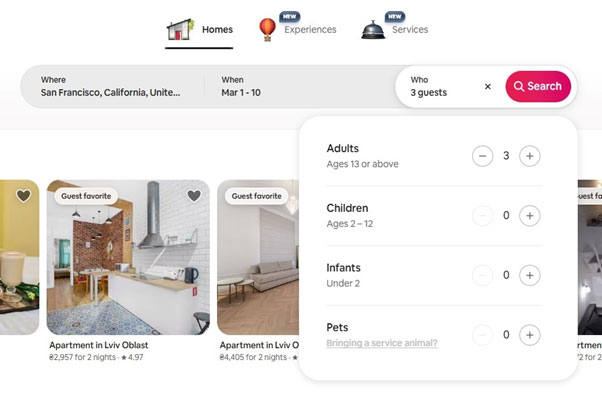
Once the guest finds a listing they like, they can review photos, descriptions, and past guest feedback. They then choose to “Instant Book” or “Request to Book”, depending on the host’s specific settings. After the host approves (or the system confirms), the guest pays the total amount securely through Airbnb’s platform.
The final steps involve the actual stay and the follow-up. The guest checks in using the host’s instructions, enjoys their stay, and then checks out on the agreed-upon date. Finally, both the guest and the host leave a public review for each other, which helps maintain the community’s high standard of trust.
Key terms you’ll see on Airbnb
- Host: The person or entity (like Stay Today Inc) who owns or manages the property and welcomes guests.
- Guest: The traveler who books and stays at the property.
- Listing: The individual webpage for a specific property, containing all its details, photos, and rules.
- Nightly rate: The base price for staying one night, which can change based on the day of the week or season.
- Cleaning fee: A one-time charge set by the host to cover the costs of preparing the home between guests.
- Service fee: The fee Airbnb charges to cover the cost of running the platform and providing 24/7 support.
- Superhost: An experienced host who has met specific criteria for high ratings, low cancellations, and fast response times.
How Does Airbnb Work for Guests?
Step 1. Create an account and verify your identity
The first thing any guest needs to do is set up a profile. This isn’t just about adding a name and photo; it’s about building a digital reputation. Airbnb often requires guests to verify their identity by uploading a government-issued ID to ensure everyone on the platform is who they say they are.
Verification is a crucial step for building trust with potential hosts. Many hosts will not accept a booking request from someone who hasn’t completed this process. It creates a safer environment for everyone involved by deterring fraudulent activity and encouraging accountability.
Step 2. Search smarter (filters that matter)
Finding the perfect place requires more than just picking a city. Airbnb offers powerful filters that allow you to narrow down thousands of options to a handful of perfect matches. You can filter by price range, property type (like “entire home” or “private room”), and specific amenities like a pool, hot tub, or king-sized bed.
For those traveling for specific reasons, filters like “pet-friendly”, “self check-in”, or “work-friendly” are lifesavers. If you have a large family, you can filter for properties that specifically offer cribs or high chairs. Taking the time to use these filters ensures you don’t waste hours looking at beautiful homes that don’t actually fit your needs.
Step 3. Evaluate a listing like a pro
Before you hit the book button, you need to look at a listing with a critical eye. Start with the reviews, focusing especially on the most recent ones from the last few months. Look for mentions of cleanliness, noise levels, and the responsiveness of the host to see if there are any recurring issues.
Check the photos carefully, looking for “unseen” areas like the inside of the shower or the layout of the kitchen. A professional host, such as those managed by Stay Today, will always provide high-quality, honest photos that show the home exactly as it is. Finally, read the house rules and the cancellation policy to ensure you are comfortable with the host’s expectations.
Step 4. Understand pricing before you book
The price you see on the search map is rarely the final price you will pay at checkout. Airbnb pricing is made up of several layers that all add up to the “total price”. It is important to look at the breakdown so you aren’t surprised by the final number on your credit card statement.
| Fee Component | Description |
|---|---|
| Nightly Rate | The base cost per night multiplied by the length of your stay. |
| Cleaning Fee | A one-time fee to cover turnover costs; stays the same regardless of stay length. |
| Airbnb Service Fee | The platform’s cut, usually around 14% of the subtotal for guests. |
| Local Taxes | Occupancy taxes or VAT required by local governments, handled by Airbnb. |
| Add-ons | Extra charges for things like additional guests, pets, or early check-in. |
Step 5. Booking types: Instant Book vs Request to Book
There are two main ways to secure a stay on Airbnb. Instant Book allows you to confirm your reservation immediately without waiting for the host to manually approve you. This is perfect for last-minute travelers or those who want to finalize their plans quickly.
Request to Book means you send a message to the host with your travel details, and they have 24 hours to accept or decline. Hosts often use this if they want to vet their guests more carefully or if their calendar is complex. Being polite and providing a brief introduction in your request can go a long way in getting a “yes” from a host.
Step 6. Messaging and check-in
Once your booking is confirmed, communication moves to the Airbnb message thread. This is where you will receive the check-in instructions, which might include a digital code for a smart lock, a lockbox location, or a meeting time. Modern listings often favor self-check-in for the convenience of both parties.
Properties managed by professional companies like Stay Today, Inc. often utilize advanced smart-lock technology. This means you don’t have to worry about meeting someone at a specific time or losing a physical key. You simply arrive, enter your unique code, and start your vacation immediately.
During the stay: support and issue resolution
Even with the best preparation, things can occasionally go wrong, like a Wi-Fi outage or a leaky faucet. If you encounter an issue, the first step is always to message the host directly through the Airbnb app. Most hosts want you to have a great stay and will work quickly to fix any problems.
If the host is unresponsive or the issue is severe, you can contact Airbnb’s 24/7 support team. Always document issues with photos and timestamps within the app to provide clear evidence if a dispute arises. Remember that Airbnb can often help with rebooking or partial refunds if a property was significantly misrepresented.
After checkout: reviews (how the trust system works)
After you leave, the “two-way review” process begins. You will have 14 days to write a review about the host and the property, and the host will do the same for you. Neither review is visible until both have been submitted or the 14-day window has closed.
These reviews are the lifeblood of the Airbnb community. High ratings help hosts attract more guests, while positive guest reviews make it easier for you to book high-quality homes in the future. Always be honest but fair, as your feedback helps the next traveler make an informed decision.
How Does Airbnb Work for Hosts (Property Owners)?
Who can host on Airbnb?
Hosting is open to almost anyone with a legal right to occupy a space. You can host in your primary residence by renting out a spare bedroom while you are there. You can also list a second home, an investment property, or even a unique structure like a yurt or a boat.
However, being a host is a significant responsibility that goes beyond just providing a bed. It requires a commitment to hospitality, cleanliness, and safety. For those who own property but don’t have the time for daily management, partnering with Stay Today, Inc. allows you to enjoy the profits of hosting without the personal workload.
Step 1. Check local short-term rental rules
Before you even take your first photo, you must understand the legal landscape of your city. Many local governments have strict rules regarding short-term rentals (STRs). These may include requiring a specific business license, limiting the number of days you can rent per year, or banning STRs in certain residential zones.
Failing to follow these rules can result in heavy fines or being banned from the platform entirely. This is one area where Stay Today provides immense value. We stay on top of the ever-changing local regulations and tax requirements to ensure your property remains fully compliant and protected.
Step 2. Create a listing that converts
A great listing is like a high-quality digital brochure. It starts with professional photography that highlights the best features of your home, such as a renovated kitchen or a stunning view. Your title should be catchy and descriptive, focusing on what makes your space unique.
The description should be clear about the amenities you provide, from high-speed internet to a fully stocked coffee bar. Be transparent about any quirks, like a flight of stairs or a lack of parking, to manage guest expectations. A well-written, honest listing reduces the chance of negative reviews later on.
At Stay Today, we specialize in creating and optimizing high-performing Airbnb listings. Our listing management services include professional photos, polished visuals, and engaging property descriptions designed to make your home stand out and convert more visitors into guests.
Step 3. Set pricing and availability
Pricing your Airbnb isn’t a “set it and forget it” task. You need a strategy that accounts for weekends, holidays, local events, and seasonal demand. If you price too high, your calendar will stay empty; if you price too low, you leave money on the table.
Professional managers use dynamic pricing software to adjust rates in real-time based on market data. At Stay Today, we use these tools to maximize your revenue while maintaining high occupancy rates. We also strategically set minimum night stays to ensure your turnover costs don’t eat into your profits.
Step 4. Choose policies that protect revenue
Every host must decide on a cancellation policy, ranging from “Flexible” (full refund until 24 hours before) to “Strict” (limited refunds after booking). While flexible policies attract more bookings, strict policies protect your income from last-minute cancellations. It is a delicate balance between guest appeal and financial security.
You should also clearly define your house rules regarding pets, smoking, and quiet hours. These rules aren’t just for your peace of mind; they protect your relationship with your neighbors and your Homeowners Association (HOA). Setting clear boundaries from the start prevents most common hosting headaches.
Step 5. Guest screening and response rate
The speed at which you respond to inquiries is a major factor in Airbnb’s search ranking algorithm. Guests appreciate fast answers, and the platform rewards hosts who maintain a near-100% response rate. Beyond speed, screening your guests by checking their past reviews and verification status is key to protecting your property.
If managing constant notifications sounds overwhelming, you aren’t alone. Stay Today handles 100% of guest communication, 24 hours a day. We screen every guest thoroughly and answer questions instantly, ensuring your response rate stays perfect and your property stays in good hands.
Step 6. Hosting operations (the real work)
This is where the “passive income” dream often meets reality. Hosting involves a constant cycle of deep cleaning, laundering linens, restocking supplies like toilet paper and shampoo, and handling maintenance. If a lightbulb burns out or a toilet clogs, someone has to be available to fix it immediately.
For many owners, this operational side is the most stressful part of the business. By partnering with Stay Today, Inc., you can outsource all of these logistics. We coordinate professional cleaning crews and trusted maintenance vendors so your property is always guest-ready without you ever lifting a finger.
Getting paid: Airbnb host payouts explained
Airbnb handles all the financial transactions, so you never have to chase a guest for payment. Typically, Airbnb releases your payout about 24 hours after the guest’s scheduled check-in time. This delay ensures the guest has arrived and the property is as described before the funds are transferred.
The time it takes for the money to hit your account depends on your chosen payout method, such as bank transfer or PayPal. You can easily track your earnings and upcoming payouts through the host dashboard. For our clients, Stay Today provides transparent financial reporting so you can see exactly how your investment is performing each month.
Airbnb Fees Explained (How Airbnb Makes Money)
Host fees
To keep the platform running, Airbnb charges a service fee on every booking. For most individual hosts, this is a split-fee model, where the host pays about 3% of the booking subtotal. This fee is automatically deducted from your payout, so you never have to pay an out-of-pocket invoice to Airbnb.
Guest fees
Under the split-fee model, guests pay a service fee that typically ranges from 14% to 16% of the subtotal. This fee covers the cost of Airbnb’s guest support and the “AirCover” protection program. This is why the price a guest sees during their initial search often jumps when they reach the checkout page.
Other costs that affect the total price
Beyond the service fees, the total price includes the host’s cleaning fee and any local occupancy taxes. Some regions also require a Value Added Tax (VAT) on the service fees. It is also important to note that if you book in a different currency, Airbnb may apply a currency conversion fee.
Example Pricing Calculation
Imagine a guest books a 3-night stay at a home with a nightly rate of $150.
- Accommodation Subtotal: $150 × 3 = $450
- Cleaning Fee: $100
- Booking Subtotal: $550
- Airbnb Guest Service Fee (approx. 14%): $77
- Estimated Local Taxes (approx. 10%): $55
- Total Guest Price: $682
Safety, Trust, and Protections on Airbnb
Why Airbnb can be trusted (and its limits)
Airbnb has built a massive ecosystem of trust through identity verification and a secure payment system. By keeping all money and messages within the platform, they can intervene if something goes wrong. However, it is important to remember that Airbnb is a marketplace, not a hotel chain with on-site security at every location.
Listing quality and verification
The platform uses various methods to verify that listings are real and accurately represented. They look at guest reviews, host response times, and even utilize AI to spot fraudulent listings. Guests should still do their own due diligence by looking for the “Verified” badge and checking that the host has a history of positive reviews.
Host and guest protections (AirCover)
Airbnb provides a comprehensive protection program called AirCover, which is included for free with every booking. For hosts, this includes damage protection and liability insurance. For guests, it offers a guarantee that Airbnb will find a similar or better home if the host cancels last minute or if the listing is misrepresented.
Airbnb Programs and Badges
Superhost (what it signals)
The Superhost badge is the gold standard for individual hosts. To earn it, a host must have a 4.8+ overall rating, a 90% response rate, and a very low cancellation rate. When you see this badge, you know you are booking with someone who is experienced and dedicated to guest satisfaction.
Airbnb Plus
Airbnb Plus is a selection of high-quality homes that have been personally inspected for quality and design. These homes must meet a long checklist of requirements, from consistent Wi-Fi speeds to specific kitchen equipment. While this program has evolved over the years, it remains a signal for guests looking for a “premium” experience.
Pros and Cons
For Guests
Pros: You get more space for your money, access to a kitchen, and a chance to stay in authentic neighborhoods. It’s perfect for groups and families who want to stay together under one roof.
Cons: Quality can be inconsistent, and cleaning fees can make short stays expensive. You also lack the 24/7 front desk and room service found in hotels.
For Hosts
Pros: It offers incredible earning potential compared to long-term renting. You have total control over when you host and who stays in your home.
Cons: It is a high-effort business that requires constant attention to cleaning and guest needs. Regulations and platform fees can also impact your bottom line.
Airbnb vs. Hotels
Airbnb is the clear winner for families, large groups, and anyone staying for more than a few days. The ability to cook your own meals and have separate bedrooms provides a level of comfort hotels can’t match. It’s also better for “slow travelers” who want to feel like they live in the city.
Hotels still win when it comes to predictability and service. If you are on a quick business trip or want someone to make your bed every morning, a hotel is likely the better choice. Hotels also offer loyalty programs and guaranteed 24/7 support that can be harder to find with individual Airbnb hosts.
Tips to Use Airbnb Better
Tips for guests
Always read the “House Rules” before you book to avoid surprises about pets or quiet hours. Use the map view to ensure the location is actually where you want to be. Most importantly, communicate your arrival time clearly to your host to ensure a smooth check-in.
Tips for hosts
If you want to rank higher in search results, respond to every message within an hour. Invest in professional photography and high-quality linens to stand out from the competition. If the workload becomes too much, consider partnering with a professional management company such as Stay Today Vacation Rental Management to handle the daily operations.
Frequently Asked Questions
Legal status varies widely by location. Check your city’s official website for short-term rental regulations or consult with a management expert like Stay Today, Inc.
Airbnb is highly secure thanks to identity verification, encrypted payments, and the AirCover protection program provided for every booking. For added peace of mind, Stay Today, Inc. provides professional guest screening and 24/7 on-the-ground support to ensure every stay is safe, respectful, and seamless.
Yes, but refunds depend on the listing’s cancellation policy.
In some regions, Airbnb performs limited background checks on US-based users. However, they are not a substitute for your own guest screening practices.
Payouts are typically sent 24 hours after the guest checks in. It may take a few additional days for the funds to reach your bank account.
Most hosts pay a 3% fee, while guests pay between 14% and 16%. Some professional hosts use a "simplified" model where they pay a flat 15.5% fee.
It can be, especially for groups or longer stays, but prices vary by location and season.
Ready to maximize your property’s potential?
The world of Airbnb is full of opportunity, but it requires expertise and time to truly succeed. If you want the benefits of a high-earning short-term rental without the stress of managing it yourself, we are here to help. To learn more about the potential revenue you could generate with Stay Today, please contact us to discuss a customized estimate for your property.