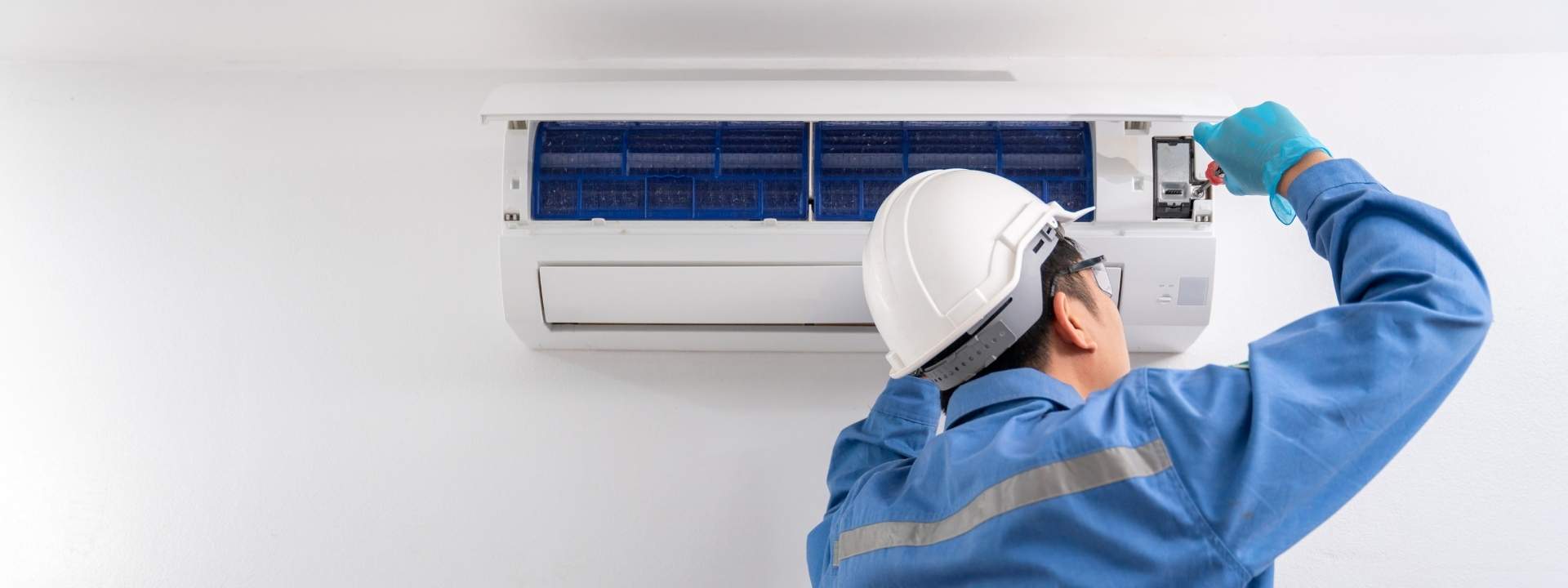
A water heater does not check your calendar before it fails. In twelve years of managing short-term rentals across Miami and South Florida, I have taken maintenance calls on Thanksgiving morning, during Art Basel weekend, and at 2:40 AM on a Tuesday when a guest’s AC quit in the middle of August. That last one matters more than people think. In Miami heat, a dead air conditioner is not an inconvenience. It is a refund, a one-star review, and sometimes a canceled stay.
This is the part of full service vacation rental management that rarely makes it into the sales brochure, so I want to walk you through it in detail: what actually happens when something breaks in your rental at 3 AM, how a professional team prevents most of those calls from ever happening, and what maintenance realistically costs in a market like ours.
If you self-manage right now, this article doubles as a blueprint. Everything we do can be copied by a committed owner. The question is whether you want that phone next to your pillow.
Table of Contents
What Full-Service Management Covers (and Where Maintenance Fits)
Vacation rental management is the umbrella term for everything required to run a short-term rental as a business: listing creation and optimization, dynamic pricing, guest screening and communication, cleaning, licensing and tax compliance, and maintenance. A full-service vacation rental management company handles all of it under one roof, as opposed to co-hosting arrangements where the owner keeps some operational duties.
Within that stack, maintenance is the least glamorous function and the one with the highest cost of failure. Pricing mistakes cost you margin. Maintenance failures cost you the booking, the review, and sometimes the next three bookings that would have come from that review.
Short term rental management differs from long-term property management in one crucial way here: frequency of exposure. A long-term tenant might tolerate a slow drain for a week. A vacation guest paying $400 a night reports it within hours and expects it fixed the same day. Every turnover also resets the clock, because each new guest inspects the property with fresh eyes. That is why maintenance in vacation rental property management services is built around two engines running in parallel:
- Preventive maintenance: scheduled inspections and servicing that stop problems before a guest ever sees them.
- Reactive (emergency) maintenance: a 24/7 response system for the failures you cannot schedule.
Most owners who come to us from self-management had only the second engine, and it was powered by their own cell phone.
How 24/7 Maintenance Actually Works, Hour by Hour
“24/7 maintenance” is easy to print on a website. Here is what a real 24 hour maintenance service looks like operationally, using an example from our own portfolio.
Step 1: The guest reports the issue (11:48 PM)
A guest in a Brickell condo messages that the bedroom AC is blowing warm air. The message hits our support line, not the owner’s phone. Our team responds within minutes, first with triage questions: Is the thermostat set to cool? Is the filter door closed? Is the breaker tripped? Roughly a third of “emergencies” in airbnb maintenance are resolved right here, with a two-minute walkthrough over chat.
Step 2: Triage decides the clock (11:55 PM)
If remote troubleshooting fails, the issue gets classified:
- Emergency (respond now): no AC in summer, active water leak, no hot water, lockout, electrical hazard, sewage backup.
- Urgent (fix within 24 hours): one failed appliance with a workaround, slow leak contained by a bucket, broken pool heater in season.
- Routine (schedule between stays): loose cabinet hinge, patchy Wi-Fi in one room, scuffed baseboard.
This classification is the whole game. Treat everything as an emergency and you burn money on after-hours call-out fees. Treat a July AC failure as routine and you lose the guest.
Step 3: Dispatch from a vetted vendor bench (12:10 AM)
Emergency maintenance for a short term rental only works if the contractor relationship existed before the failure. We keep a bench of licensed HVAC, plumbing, and electrical vendors who already have our lockbox protocols, know our buildings, and answer at night because we give them steady daytime volume. A self-managing owner calling a stranger from Google at midnight pays emergency rates for a technician who has never seen the property.
In this case, our HVAC vendor arrived at 1:30 AM, found a failed capacitor, and had cold air running by 2:15 AM.
Step 4: Guest recovery (morning after)
The repair is half the job. Our team follows up with the guest the next morning, and when a stay was materially affected we offer a gesture before the guest asks: a late checkout, a cleaning credit, a partial refund on the affected night. This is how a maintenance incident becomes a five-star review that mentions how well the problem was handled. Guests do not expect perfection. They expect response.
Step 5: The loop closes with the owner
The incident, the invoice, and photos land in the owner’s statement and the owner portal. Who handles maintenance for your Airbnb? Under full management, we do, but you see every dollar and every work order. Silent deductions are how management companies lose trust, so nothing about 24/7 property maintenance should be invisible to you.
The Preventive Side: Checklist and Real Costs
The best emergency response is the one you never need. Preventive maintenance is where a professional operation earns its fee quietly, because every prevented failure is invisible.
A working vacation rental maintenance checklist
This is the short version of the short term rental maintenance checklist our field team runs. Steal it freely.
Every turnover (with the cleaning and maintenance team):
- Run every faucet and flush every toilet; check under sinks for moisture
- Test AC cooling and listen for compressor strain
- Confirm door codes, locks, and Wi-Fi
- Check smoke and CO detectors, appliance function, and TV remotes
- Photograph condition for the damage-claim record
Monthly:
- Replace or check HVAC filters (monthly is not optional in Miami; dust and humidity load here is brutal)
- Test GFCI outlets, garbage disposal, water heater temperature
- Inspect caulking and grout in wet areas, and treat for pests proactively
Quarterly:
- Flush AC condensate lines (the number one cause of “mystery” ceiling leaks in Florida condos)
- Deep-check appliances, balcony doors, window seals, and outdoor furniture
- Service pool and hot tub equipment where applicable
Annually:
- Professional HVAC service, water heater flush, roof and exterior inspection
- Repaint high-traffic scuffs, re-seal outdoor surfaces, review hurricane preparedness before June
What does short term rental maintenance cost?
Honest numbers, because owners deserve them. Across our South Florida portfolio, planned maintenance typically runs 1.5% to 2% of gross rental revenue annually, plus a reserve of about 1% for genuine emergencies. On a property grossing $80,000 a year, budget roughly $1,600 to $2,400 for the planned side.
Three cost realities worth knowing:
- Prevention is asymmetric. A $150 quarterly condensate line flush prevents the $3,000 drywall and mold remediation job. A $12 filter protects a $6,000 compressor.
- After-hours premiums are real. Emergency call-outs run 1.5x to 2x standard rates. A manager’s vendor bench softens this; retail owners pay full freight.
- Deferred maintenance compounds. Wear items ignored for two quarters become guest-visible defects, and guest-visible defects become review language that suppresses your nightly rate.
Rental property maintenance services priced à la carte look cheap until you add coordination time. The typical self-managing owner spends five to ten hours a month scheduling vendors, chasing invoices, and translating guest complaints into work orders. That is the hidden cost line.
Vacation Rental Maintenance in Miami: Why This Market Is Different
Everything above applies anywhere. Miami adds three multipliers, and this is where local property management earns its keep.
Salt and humidity accelerate everything. Coastal properties in Sunny Isles Beach, Hollywood, and Lauderdale-by-the-Sea see corroded AC condensers, pitted door hardware, and swollen exterior trim years faster than inland homes. Our checklists shift accordingly: condenser coil rinses, stainless hardware on replacements, marine-grade sealants.
AC is life support, not comfort. From May through October, air conditioning failure is a same-night emergency, full stop. Any Airbnb property management company in Miami that cannot dispatch HVAC assistance overnight in August is not offering 24/7 maintenance. They’re just offering a voicemail box.
Hurricane season is a maintenance calendar of its own. Before June we verify shutters and tie-downs, photograph pre-storm condition, and confirm generator and pump readiness where relevant. After any named storm, every property gets inspected before the next check-in, whether or not the guest reported anything.
There is also a compliance layer. Property management in Miami intersects with condo association rules, Certificate of Use requirements, and vendor insurance minimums that many buildings enforce at the loading dock. A vendor who cannot produce a COI does not get past the front desk in most Brickell towers. This is a solved problem for an established Miami short-term rental management team, but a Saturday-killing surprise for an owner managing from out of state. (Licensing itself is a separate topic; our licensing and compliance service covers it.)
Stay Today’s field teams cover Miami-Dade and Broward, from Brickell and Coral Gables up through Fort Lauderdale and Pompano Beach, which is what makes sub-hour emergency response realistic rather than aspirational.
What to Ask Before You Hand Over the Keys
If you are evaluating a manager, skip the brochure language and ask these five questions:
- Who answers the phone at 3 AM: your staff or an answering service?
- What is your written response-time standard for a summer AC failure?
- Are your vendors licensed and insured, and can I see the invoices?
- Is preventive maintenance scheduled, or do you only react?
- Do maintenance charges carry markups? (Ours do not; see our fee structure.)
The answers separate a management company from a booking agency with a cleaning contact.
The Bottom Line
Maintenance is where full service vacation rental management proves whether it is real. Pricing tools and pretty listings are table stakes. The 2 AM capacitor swap, the quarterly condensate flush nobody thanks you for, and the vendor who answers on the second ring because you send him work every week: that is the machine owners are actually paying for.
If you own a short-term rental in Miami or South Florida and you are still the one answering that phone, we should talk. You can see exactly what our management includes and what it costs, or request a free income estimate for your property. Worst case, you leave with a better checklist.
Frequently Asked Questions
Your management company does, end to end: guest triage, vendor dispatch, quality check, and billing transparency. At Stay Today, maintenance coordination is included in our Full (15%) and Premium (20%) plans, and every work order and invoice is visible in your owner portal. On our 12% co-hosting plan, owners keep maintenance in their own hands.
Coordination is included; parts and labor are billed at cost. In other words, the fee covers the team that answers at 3 AM, triages the issue, dispatches the right vendor, and follows up with the guest. The plumber's invoice itself is passed through without markup. Always confirm a manager's markup policy in writing.
Guest contact should happen within minutes at any hour. For true emergencies such as summer AC failure, active leaks, or lockouts, on-site response in our Miami service area typically happens within one to three hours, including overnight. Urgent but non-emergency issues are resolved within 24 hours, and routine items are batched between stays so they never touch a guest.
Plan on roughly 1.5% to 2% of gross rental revenue for preventive and routine maintenance, plus about 1% held as an emergency reserve. Coastal Miami properties should budget at the top of that range because salt air and humidity shorten equipment life.
Yes, dramatically. Most "sudden" failures are slow failures that nobody was watching: a clogging condensate line, a corroding water heater anode, a filter suffocating a compressor. On our portfolio, disciplined turnover and quarterly checks eliminate the majority of after-hours emergencies that self-managing owners experience.