The age-old travel debate has officially entered a new era. A decade ago, the choice was simple: if you wanted a reliable bed, you booked a hotel; if you wanted a cheap sofa or a quirky local apartment, you booked an Airbnb.
But as we move through 2026, the lines have blurred. Hotels are trying to feel more “local,” and Airbnb has faced a reckoning regarding fees and cleaning expectations. So, is Airbnb better than hotels, or has the pendulum swung back to traditional hospitality?
The short answer? It depends on your priorities.
Quick Verdict:
- Choose Airbnb if you are traveling with a large group, staying for more than a week, or want a kitchen to save on food costs.
- Choose a Hotel if you value 24/7 service, consistent cleanliness, loyalty points, and a “chore-free” checkout experience.
In this guide, we’ll break down the Airbnb vs. hotels debate across cost, safety, and experience to help you decide which is right for your next trip.
Table of Contents
Airbnb vs. Hotels: What’s the Main Difference?
To understand which is “better,” we first have to look at what sets them apart. While both provide a place to sleep, their business models are worlds apart.
What makes Airbnb different from hotels?
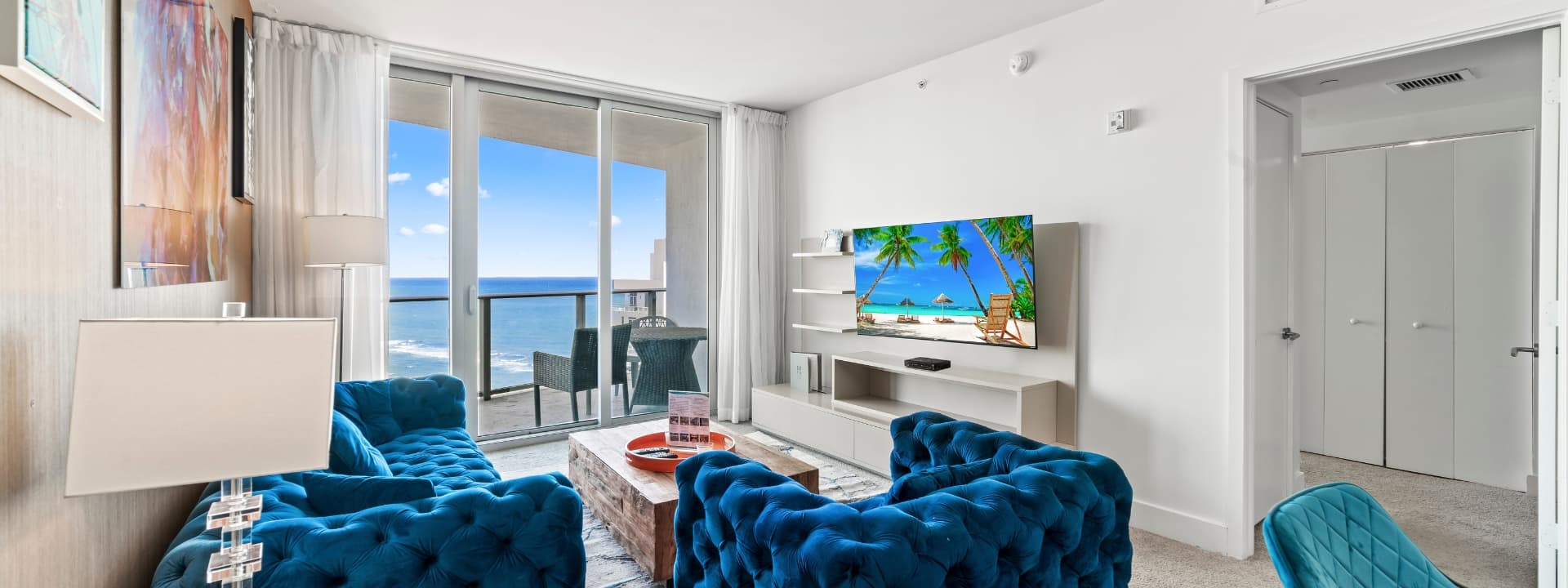
Airbnb is a peer-to-peer marketplace. You aren’t usually renting from a corporation; you’re renting from an individual or a property management company such as Stay Today. This means every single stay is unique. You might get a treehouse in Hawaii, a basement suite in Philadelphia, or a high-rise condo in Miami.
Hotels, on the other hand, are standardized. Whether you’re at a Marriott in Orlando or New York, you know exactly what the towels will feel like and how the check-in process works.
Airbnb vs. traditional hotels explained
The core difference lies in the ecosystem:
- Hotels: Built for high-turnover, short-term stays with a focus on service (housekeeping, room service, concierge).
- Airbnb: Built for “living like a local,” offering residential amenities like full kitchens, laundry machines, and separate bedrooms.
How Airbnb competes with hotels
In 2026, Airbnb competes by offering space and soul. Hotels have responded by launching “apartment-style” brands (like Marriott’s Apartments by Marriott Bonvoy), trying to capture that “homey” feel while maintaining professional standards.
Is Airbnb Cheaper Than Hotels? (2026 Cost Comparison)
The most common question travelers ask is: is Airbnb cheaper than hotels? In the early days, the answer was a resounding “yes.” Today, the math is much more complicated.
Average price comparison: Airbnb vs. hotels
On a pure nightly rate basis, Airbnb often looks cheaper. However, the “sticker price” you see on the search results page rarely reflects the final total.
| Feature | Airbnb | Hotel |
|---|---|---|
| Nightly Rate | Often lower for multi-bedroom units. | Can be higher for central locations. |
| Cleaning Fees | One-time fee (can be $50–$300+). | Included in the rate. |
| Service Fees | Platform fees (approx. 14%). | None (standard taxes apply). |
| Taxes | Varies by city (Occupancy Tax). | Standard hospitality taxes. |
| Food Costs | Lower (due to kitchen access). | Higher (restaurants/room service). |
Why Airbnb can be cheaper (or not)
Airbnb vs. hotels pricing comparison usually favors Airbnb when you are traveling in a group. Booking a 3-bedroom house on Airbnb is almost always cheaper than booking three separate hotel rooms.
However, for a solo traveler or a couple on a two-night weekend trip, a hotel is frequently the more affordable option once you factor in the Airbnb cleaning fee.
Hidden fees (cleaning, service fees, taxes)
The “cleaning fee” has become the villain of the Airbnb story. While Airbnb has introduced “Total Price Display” in 2026 to show fees upfront, these costs can still make a short stay prohibitively expensive. In contrast, hotels rarely charge for cleaning, though you should watch out for “Resort Fees” or “Destination Fees” in cities like Las Vegas or NYC.
When hotels are actually cheaper
- Short stays (1-2 nights): The one-time cleaning fee on Airbnb isn’t spread out over enough nights to be worth it.
- Last-minute bookings: Hotels often slash prices to fill empty rooms; Airbnb hosts rarely do.
- Solo/Business travel: Standard rooms are optimized for one or two people.
2026 pricing trends and changes
In 2026, we are seeing Airbnb vs. hotels cost comparison hit an equilibrium. Airbnb is pressuring hosts to lower cleaning fees to remain competitive, while hotels are increasing rates due to rising labor costs. Are hotels cheaper than Airbnb? More often than they used to be, especially in major metro areas.
Pros and Cons of Each Stay
When weighing Airbnb versus hotels, it helps to look at the “vibe” and the logistics.
Advantages of Airbnb
- More space and privacy: You get a living room, a kitchen, and often a backyard.
- Better for groups and long stays: Everyone stays under one roof.
- Local experience: You stay in residential neighborhoods rather than “tourist traps.”
- Unique amenities: Think private pools, hot tubs, and quirky interior design.
Disadvantages of Airbnb
- Cleaning responsibilities: Some hosts expect you to start the laundry and take out the trash, despite charging a cleaning fee.
- Inconsistent quality: The “luxury” apartment in photos might be a “fixer-upper” in reality.
- Cancellations: A host can cancel on you at the last minute, leaving you stranded (though Airbnb has improved its rebooking support).
Advantages of Hotels
- Consistent service and standards: You know the bed will be made and the WiFi will (usually) work.
- Amenities: Gyms, spas, pools, and 24/7 room service.
- Security and reliability: There is always someone at the front desk if something goes wrong.
- Loyalty points: Frequent travelers can earn free nights.
Disadvantages of Hotels
- Less space: You are often confined to a single room.
- Higher cost in some markets: Especially for families needing multiple rooms.
- The “Corporate” feel: Hotels can feel sterile and disconnected from the local culture.
Why Do People Prefer Airbnb Over Hotels?
Despite the rise in fees, millions still ask: why do people choose Airbnb over hotels? The answer usually comes down to the “human” element of travel.
Flexibility and unique stays
People love the “Instagrammability” of a converted barn, a mid-century modern home, or a seaside villa. These aren’t just places to sleep; they are part of the vacation experience.
Cost savings for longer trips
If you’re staying for 10 days, having a kitchen to cook breakfast and dinner can save you hundreds of dollars.
Group travel advantages
For families or bachelorette parties, the communal space of an Airbnb is priceless. You can hang out in the living room in your pajamas, something you can’t easily do in separate hotel rooms.
Why Some Travelers Still Prefer Hotels
On the flip side, why hotels are better than airbnb for many comes down to one word: Frictionless.
Convenience and service
At a hotel, you don’t have to worry about how to lock the smart door or whether the “quirky” shower handle works. If the toilet breaks at 2 AM, someone is there to fix it. At an Airbnb, you might be waiting for a message back from a host who is asleep.
Business travel needs
For business travel, hotels are almost always the winner. They offer business centers, reliable high-speed internet, and easy invoicing for expense reports. Plus, the location is usually closer to conference centers and transit hubs.
Note on Corporate Housing: In 2025 and 2026, we’ve seen a massive surge in Airbnb hosts offering corporate housing-style accommodations. Professional management companies now list high-end, business-ready apartments on the platform that feature ergonomic workspaces and high-speed fiber internet. For stays longer than a week, these “executive stays” are often much more cost-effective than hotels, with 2026 data showing average savings of nearly $70 per night compared to corporate hotel rates.
Predictability
There is a mental “load” that comes with staying in someone’s home. You have to follow their house rules. In a hotel, you are the guest, and the staff is there to serve you. For many, that’s what a “vacation” actually feels like.
Choice For Different Travel Types
The hotels or airbnb decision often depends on who you are traveling with.
Business travel
Hotels win. The speed of check-in, the proximity to the office, and the gym access make it the logical choice for a 48-hour trip.
Family vacations
Airbnb wins. Having a separate bedroom for the kids means parents don’t have to sit in the dark at 8:00 PM when the kids go to sleep. Plus, a washer/dryer is a lifesaver for families.
Solo travelers
It’s a tie.
- Airbnb is great if you want to stay in a “Private Room” and get tips from a local host.
- Hotels are better if you want to feel safe with 24/7 security and a social atmosphere at the hotel bar.
Long-term stays vs. short stays
For anything over 5 nights, Airbnb vs. hotels cost and convenience usually tips in favor of Airbnb. For a quick overnight layover, the hotel is the undisputed king.
Are Airbnb Homes Safer Than Hotels?
Safety is a top priority in 2026. Generally, hotels have a slight edge here.
Safety differences
- Hotels: Have fire codes, sprinkler systems, security cameras in halls, and staff present 24/7.
- Airbnb: Safety varies by host. While Airbnb requires smoke and carbon monoxide detectors to be listed, there is no one checking them daily.
Regulation and standards
Many cities have introduced strict regulations for Airbnbs to ensure they meet basic safety and insurance standards. However, the “wild west” nature of the platform means you must do your own vetting.
Tips for staying safe in both
- Read the reviews: For Airbnb, look for “Superhosts” with hundreds of 5-star reviews.
- Check the map: Make sure the neighborhood is safe before booking.
- Communication: Always keep your communication on the Airbnb platform so there is a digital paper trail.
Airbnb vs Hotels: Which Is Better for You?
Still can’t decide? Use this checklist to settle the hotels and airbnb debate.
Choose Airbnb if…
- You are traveling with a group of 3 or more.
- You are staying for more than 4 nights.
- You want to cook your own meals.
- You want a unique, “non-corporate” environment.
- You need a pet-friendly space with a yard.
Choose a hotel if…
- You are traveling solo or as a couple for a short trip.
- You want to earn or use loyalty points.
- You hate the idea of doing “check-out chores.”
- You want 24/7 service and security.
- You are on a business trip and need maximum efficiency.
Final Verdict: Airbnb or Hotels in 2026?
In the battle of Airbnb versus hotels, there is no longer a clear winner – only a “better for right now.”
In 2026, Airbnb is better for the “Experience Traveler” who wants to soak in a neighborhood and has the patience for a few domestic quirks. Hotels are better for the “Seamless Traveler” who wants their trip to be as easy and predictable as possible.
As pricing continues to stabilize and Airbnb cleans up its fee structure, the choice comes down to your personal travel style. Whether you want a digital key to a room on the 30th floor or a physical key to a cottage in the countryside, both have a permanent place in the modern traveler’s toolkit.
FAQs
In 2026, the "all-in" price of an Airbnb for a 1–2 night stay is often higher than a hotel. Recent data shows that once you include cleaning fees and service charges, Airbnbs can be 40–60% more expensive for short-term stays. Hotels generally win on price for solo travelers or couples staying less than three nights.
The 3-night rule is a general guideline for travelers: for stays of 1–2 nights, hotels are usually more cost-effective. By the 3rd or 4th night, the one-time Airbnb cleaning fee is "amortized" (spread out), making the daily average price more competitive with hotel rates.
Always use the "Total Price Display" toggle on the Airbnb app. This ensures the price you see on the map includes all service and cleaning fees.
Yes! Unlike hotels, which have rigid pricing algorithms, you can message an Airbnb host to ask for a "special offer," especially for stays longer than a week or for last-minute bookings that haven't been filled.
This is a toss-up. Large hotel chains have standardized sustainability programs (LED lighting, water conservation), but Airbnbs in residential areas contribute to lower carbon footprints because they don't require the massive laundry and heating energy used by a 500-room skyscraper.